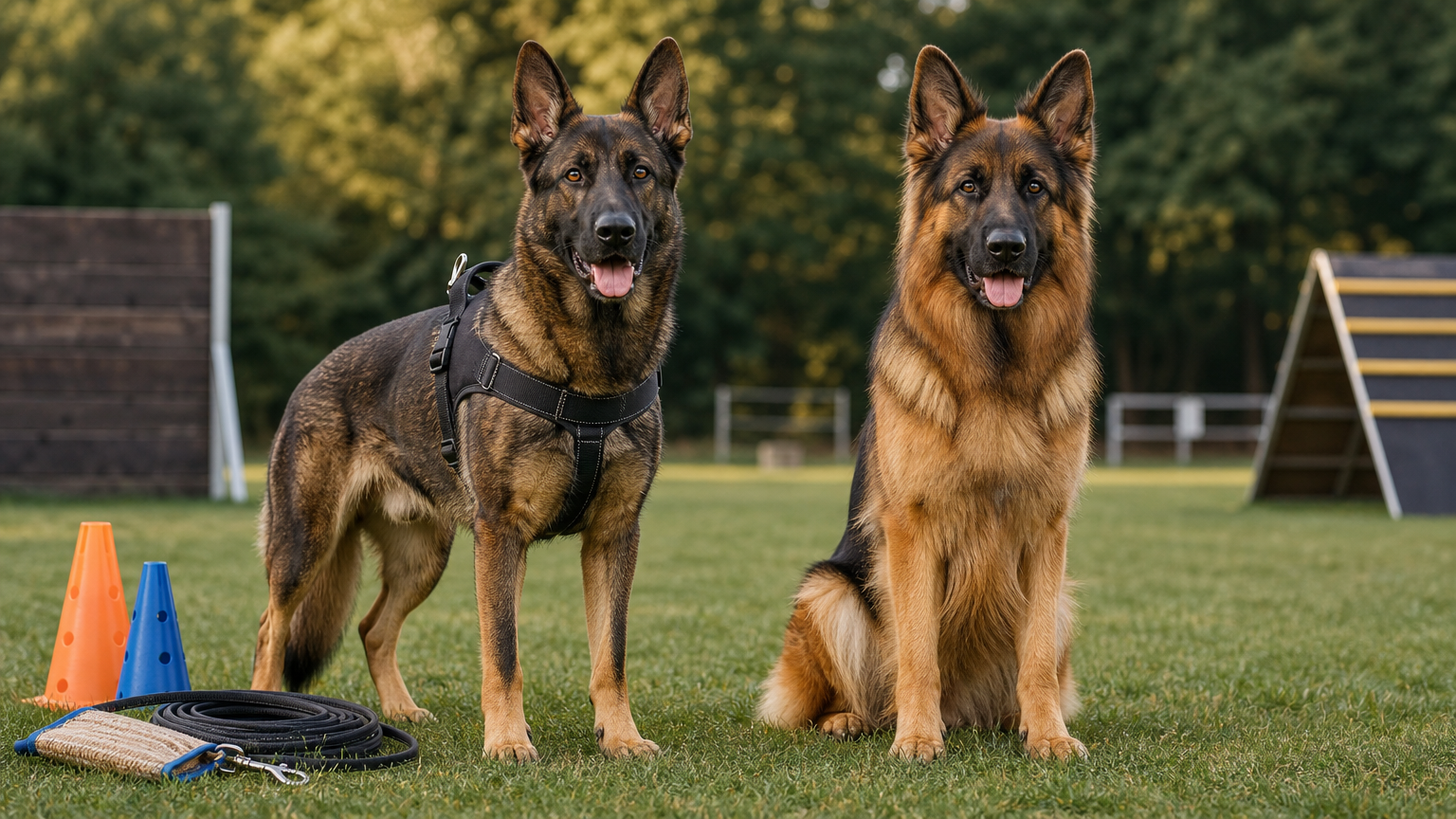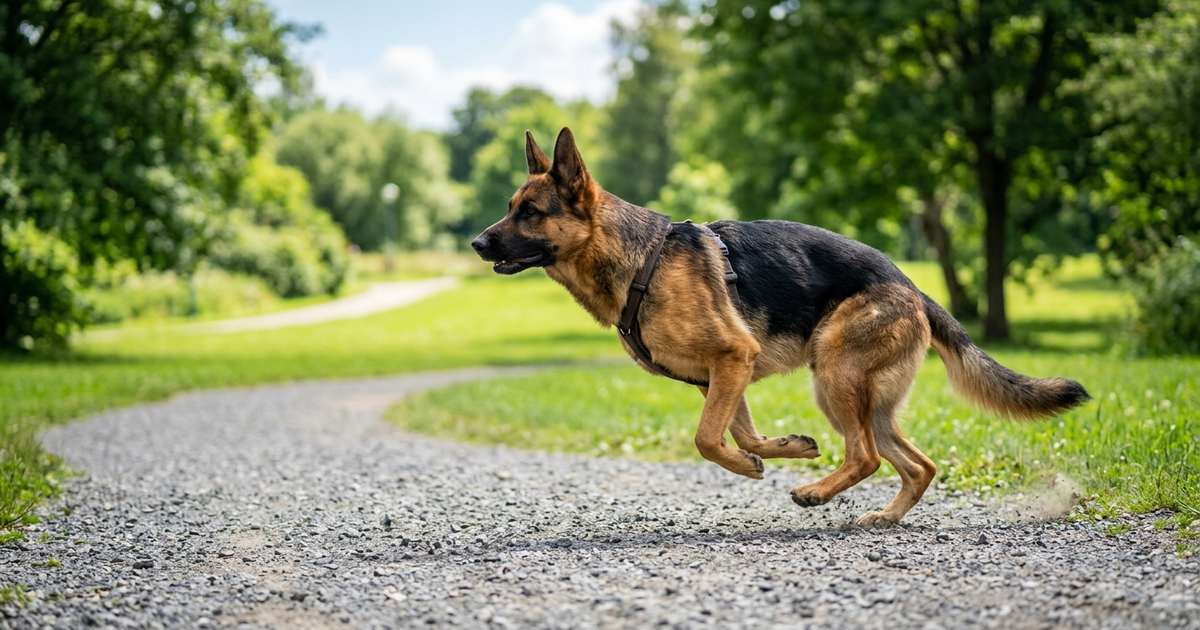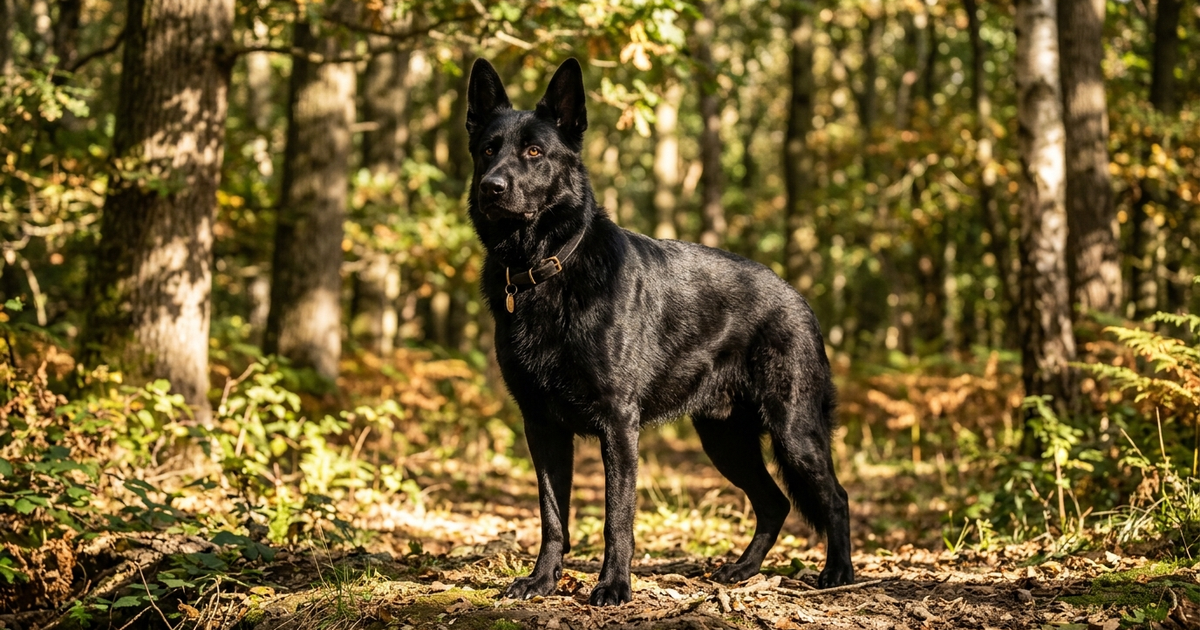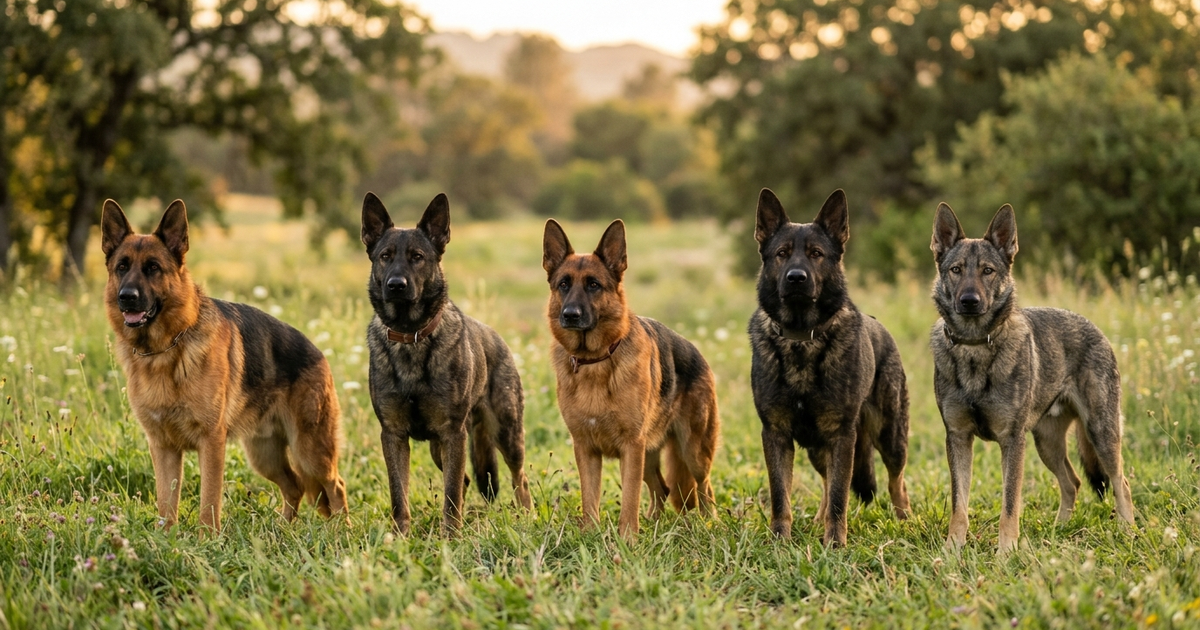
Key Takeaways
- There are 5 distinct bloodlines: West German Show, West German Working, American Show, DDR (East German), and Czech Working.
- Show lines are bred for structure and make better family pets for first-time owners.
- Working lines require intense daily mental and physical engagement — they are not for beginners.
Most people think a German Shepherd is a German Shepherd. They’re wrong.
What most people don’t realize is that “German Shepherd” is actually an umbrella term covering 5 distinct bloodlines — each bred for a completely different purpose, with different builds, different temperaments, and dramatically different health profiles.
The dog on a police K-9 calendar looks nothing like the dog trotting around an AKC show ring. And neither of them looks like the 90-pound DDR powerhouse that East German border guards trusted with their lives during the Cold War.
The type of German Shepherd you bring home shapes almost everything — how much exercise they need, how easy they are to train, and even which health risks deserve extra attention. Choose the wrong type for your lifestyle, and you’ll spend years frustrated. Choose the right one, and daily life gets much easier.
This guide breaks down all 5 types with honest, side-by-side comparisons. No breeder politics, no gatekeeping — just what you actually need to know.
The 5 Types of German Shepherds at a Glance
| Type | Origin | Primary Purpose | Energy Level | Best For |
|---|---|---|---|---|
| West German Working Line | Germany (West) | Police, SAR, protection | ⚡⚡⚡⚡⚡ | Experienced handlers |
| East German (DDR) Working Line | Germany (East) | Border patrol, military | ⚡⚡⚡⚡⚡ | Active owners with space |
| Czech Working Line | Czechoslovakia | Military, patrol | ⚡⚡⚡⚡ | Working environments |
| West German Show Line | Germany (West) | Conformation shows | ⚡⚡⚡ | Active families |
| American/Canadian Show Line | North America | Companionship, shows | ⚡⚡ | First-time GSD owners |
Now let’s get into the details.
1. West German Working Line
The original. The standard everyone else is measured against.
West German Working Lines are the closest living descendants of Max von Stephanitz’s vision — the man who created the breed in 1899. When he said “utility and intelligence,” this is what he meant.
Physical Traits
- Build: Athletic, medium-sized, straight back (no slope)
- Weight: 65–90 lbs
- Common colors: Sable, black and tan, bi-color
- Coat: Dense, weather-resistant double coat
Temperament
These dogs are driven. They have an intense need to work — and “work” doesn’t mean fetching a ball in the backyard. It means tracking scents for miles, apprehending suspects, or clearing rubble after an earthquake.
They’re incredibly intelligent, but channel that intelligence toward problem-solving. If you don’t give them a job, they’ll invent one. Usually involving your furniture.
🔍 Reddit Insight: Working line owners on r/germanshepherd consistently describe these dogs as “so happy when they’re doing something” — but warn that without an outlet, they become destructive in ways that genuinely surprise first-time owners. One user described their West German Working Line as “basically a Malinois in energy level.” If you weren’t expecting that, it’s a lot.
The biggest thing experienced handlers will tell you: look for a dog with a natural “off switch.” The best working line GSDs can give everything in training, then settle calmly in the house. Not all bloodlines breed for this, so ask breeders directly about temperament testing.
Who Should Get This Type
- Professional handlers (police, military, SAR)
- Experienced owners who train 5+ days per week
- People who compete in IPO/Schutzhund or protection sports
Who Should NOT Get This Type
- First-time dog owners
- Families who want a “chill” companion
- Anyone working 10-hour days away from home
2. East German (DDR) Working Line
The Cold War survivor. Built by a government that didn’t care about looks — only results.
DDR stands for “Deutsche Demokratische Republik” — the former East Germany. The DDR breeding program was state-controlled, strict, and relentless. Dogs that didn’t pass physical soundness tests and temperament evaluations were removed from the breeding pool entirely. No exceptions.
The result? Some of the most structurally sound German Shepherds ever produced.
Physical Traits
- Build: Heavy bone structure, large blocky head, deep chest
- Weight: 70–110 lbs (the largest GSD type on average)
- Common colors: Dark sable, solid black, black and tan with richer pigmentation
- Coat: Thick double coat bred for harsh Germanic winters
Temperament
DDR dogs are intense — but surprisingly stable. They have a natural “off switch” that West German Working Lines sometimes lack. A DDR dog can patrol a perimeter for hours, then lie calmly at their handler’s feet without pacing or whining.
They bond fiercely with one person. This isn’t the dog that greets every visitor with tail wags. This is the dog that watches from across the room, quietly assessing.
🔍 Reddit Insight: Several DDR owners on r/germanshepherd and r/dogtraining describe them as having “incredible drive but a sweetness underneath.” One owner noted their DDR mix’s instinct to “shepherd their people” — herding family members, maintaining awareness of the group’s position. That instinct is baked deep into this line. Owners also mention that authentic DDR lines (verifiable pedigree from pre-reunification) are increasingly rare and command premium prices — and that some dogs sold as “DDR” are actually mixed bloodlines. Always ask for documented pedigrees.
Health Advantage
Because the DDR program ruthlessly culled dogs with hip dysplasia, the bloodline has significantly lower rates of joint disease compared to show lines. If health is your top priority and you can handle the intensity, DDR lines are worth the research investment.
3. Czech Working Line
The specialist. Bred by Czechoslovakia’s military with exactly one goal: border defense.
Czech Working Lines share DNA with DDR lines (both Eastern Bloc), but Czechoslovakia’s breeding program produced a subtly different dog — leaner, more agile, with an even stronger prey drive.
Physical Traits
- Build: Lean, athletic, slightly smaller and more streamlined than DDR
- Weight: 60–85 lbs
- Common colors: Sable (most common), dark bi-color
- Coat: Dense, wiry outer coat
Temperament
Czech lines are often described as “single-minded.” When they lock onto a task, everything else ceases to exist. This makes them exceptional working dogs — and genuinely challenging pets.
They have the highest prey drive of all GSD types. If it moves, they want to chase it. This trait is invaluable in police apprehension work, but requires very careful management in a household with cats, small dogs, or young children.
Early socialization isn’t just recommended with Czech lines — it’s mandatory. The same drive that makes them elite working dogs can become reactive behavior in under-stimulated or under-socialized animals.
Best Use Today
Modern Czech Working Lines are prized by competitive sport enthusiasts (IPO, PSA) and law enforcement agencies that need dogs with explosive drives, quick recovery times, and high environmental stability.
4. West German Show Line
The balanced choice. The GSD you see on European show podiums — and in active family homes.
Don’t let the word “show” mislead you. West German Show Lines are not decorative. German breed standards (administered by the SV, the original GSD club) require show dogs to pass working titles and hip/elbow certifications before they’re approved for breeding. This built-in requirement means West German Show Lines retain genuine working ability while also being beautiful.
Physical Traits
- Build: Classic black and red saddle pattern, gently sloping topline
- Weight: 65–90 lbs
- Common colors: Rich black and red, black and tan (richer/darker than American lines)
- Coat: Lush, full double coat — visually striking
Temperament
This is the sweet spot for many GSD families. West German Show Lines are confident, trainable, and social without being overwhelming. They have enough drive to excel in obedience and rally while retaining enough “off switch” to settle on the couch after a good workout.
🔍 Reddit Insight: r/germanshepherd discussions consistently point to West German Show Lines as the best entry point for “first-time GSD owners who want an active, engaged dog without the working line intensity.” Users describe them as “more forgiving of training mistakes” while still being athletic and protective. The consensus: if you want the classic GSD look and personality without needing a dog-training degree, start here.
The Sloped Back: What You Actually Need to Know
Let’s address this directly: yes, West German Show Lines have a sloping topline. No, it’s not as extreme as American lines. And yes, reputable SV breeders X-ray hips and elbows before breeding — it’s a requirement, not a courtesy.
The slope is a breed-ring preference. It doesn’t automatically mean health problems. But it does mean you should always ask for OFA or SV hip/elbow scores before putting a deposit down. No exceptions.
5. American/Canadian Show Line
The gentler GSD. Furthest from the original blueprint — and for certain lifestyles, that’s actually ideal.
American Show Lines evolved separately from German standards after World War II. American breeders prioritized a dramatic silhouette — pronounced rear angulation, the flowing “flying trot” — and temperament shifted toward companion suitability over working drives.
Physical Traits
- Build: More pronounced topline slope than West German lines, lighter bone structure
- Weight: 55–85 lbs
- Common colors: Tan and black saddle with lighter, less saturated tones than German lines
- Coat: Often longer and softer than working line coats
Temperament
American Show Lines are the calmest GSD type. They tend to be gentle, patient, and more tolerant of chaotic household environments — kids, multiple pets, frequent visitors. They still carry the GSD loyalty and protectiveness but at a lower intensity. Less likely to resource guard. Less likely to develop stranger-directed anxiety. Generally easier to socialize from puppyhood.
🔍 Reddit Insight: r/germanshepherd and r/dogs discussions about American Show Lines are mixed. Many owners love their gentleness and adaptability. But several threads specifically warn against “poorly-bred American lines” where breeders have drifted so far from temperament standards that dogs can be timid, anxious, or fear-reactive. The critical factor: find a breeder who temperament-tests breeding stock. Without testing, you have no idea what behaviors have been inadvertently selected for. One commenter summarized it perfectly: “A good American Show Line dog is a fantastic family dog. A bad one is a 70-pound anxiety machine.”
The Honest Truth About Health
American Show Lines have the highest rates of hip dysplasia among all GSD types. The emphasis on extreme rear angulation has come at a structural cost. This doesn’t mean every American Show Line will develop problems — but it means health screening is non-negotiable.
Only buy from breeders who provide:
- OFA “Good” or “Excellent” hip scores (not “Fair” — that’s a minimum bar, not a pass)
- OFA elbow clearances
- DM (Degenerative Myelopathy) genetic testing results
Working Line vs. Show Line: The Core Differences
If the five types feel overwhelming, it helps to simplify into two camps:
| Factor | Working Lines (West, DDR, Czech) | Show Lines (German, American) |
|---|---|---|
| Bred for | Performance and function | Appearance and companionship |
| Energy | Extremely high | Moderate to high |
| Drive | Strong prey/defense drive | Lower drive, more adaptable |
| Back structure | Straight, level back | Sloping topline |
| Health | Generally fewer structural issues | Higher hip dysplasia risk |
| Training | Requires experienced handler | More forgiving for beginners |
| Best owner | Active, experienced, committed | Families, first-time GSD owners |
How to Choose the Right Type for You
This is the question that matters — and the honest answer depends on a realistic self-assessment.
Choose a Working Line if:
✅ You have 2+ hours daily for structured training and exercise
✅ You have prior experience with high-drive dogs
✅ You want a dog for sport, protection, or professional work
✅ You have a large yard or reliable access to open spaces
Choose a Show Line if:
✅ You’re a first-time GSD owner (West German Show is the ideal starting point — read our puppy survival guide before bringing one home)
✅ You want a family companion that’s still confident and protective
✅ You have a moderate exercise routine (60–90 minutes/day)
✅ You love the classic rich-colored GSD look
Choose a DDR/Czech Line if:
✅ Health longevity is your absolute top priority
✅ You can provide intense mental and physical engagement consistently
✅ You specifically want “old-world” GSD genetics with documented pedigrees
Frequently Asked Questions
What is the rarest type of German Shepherd?
The DDR (East German) Working Line is the rarest today. After German reunification in 1990, the state breeding program ended and many bloodlines were lost or mixed with western stock. Authentic DDR dogs with fully documented pre-reunification pedigrees command significant premiums from specialty breeders, and genuine specimens are becoming harder to find each decade.
Are working line German Shepherds more aggressive?
No — and this misconception does real damage. Working lines have higher drive, not higher aggression. Drive is channeled motivation and intensity during work. It’s directional energy, not uncontrolled behavior. A properly trained working line GSD is no more dangerous than any other type. In fact, their rigorous training requirements often produce more reliably controlled dogs than untrained show-line pets.
Can a show line German Shepherd do protection work?
West German Show Lines can, and do — they’re still required to pass working titles in Germany. American Show Lines generally lack the drive for serious protection work, though they’ll alert bark and often position themselves between their family and a perceived threat.
Which type of German Shepherd lives the longest?
Working lines, especially DDR, tend to average 11–13 years due to fewer structural health issues. American Show Lines average 9–11 years, though individual longevity varies significantly based on breeding quality and lifestyle.
How much does each type cost?
- American Show Line: $1,500–$3,000
- West German Show Line: $2,000–$5,000
- West German Working Line: $2,500–$5,000+
- DDR Working Line: $2,000–$4,500
- Czech Working Line: $2,000–$5,000
Prices vary based on breeder reputation, OFA certifications, and working titles. Avoid breeders who can’t produce health documentation — the price difference isn’t worth the vet bills.
Ready to find your perfect GSD match?
Take our 2-minute behavioral quiz. We'll match your lifestyle (and patience level) with the exact GSD bloodline and coat type you need — before you bring home a land shark.
Take the Matching Quiz →