Key Takeaways
- The 'short hair' is actually a dense double coat consisting of a harsh outer layer and a soft, insulating undercoat.
- You must never shave a double-coated German Shepherd, as it destroys their natural ability to regulate body temperature.
- They shed lightly year-round, but 'blow their coat' entirely twice a year, requiring intense daily brushing.
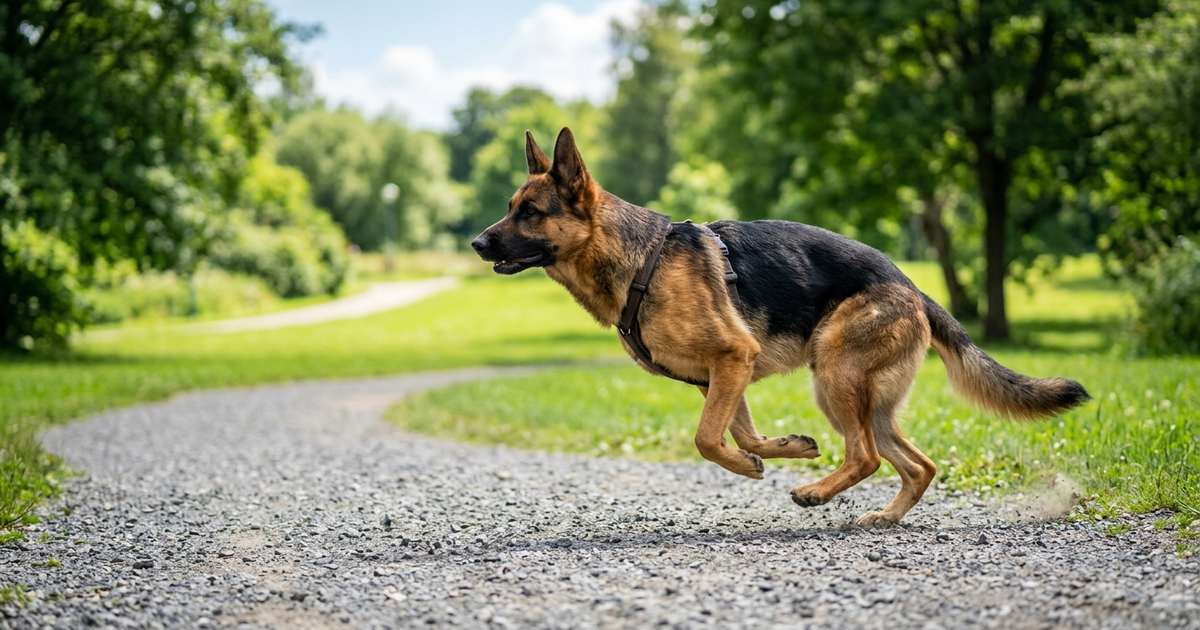
When people picture a German Shepherd, they picture the short-haired version. The classic look: erect ears, confident gait, dense double coat that looks polished at a distance and then sheds everywhere the moment they walk inside.
“Short haired” is a bit of a misnomer. The standard German Shepherd coat isn’t exactly short — it’s medium-length, dense, and layered. Understanding this distinction changes how you care for it, and clears up a lot of confusion about why these dogs seem to shed more than you’d expect from a “short-haired” dog.
What “Short Coat” Actually Means in German Shepherds
German Shepherd coats are classified by the SV (Germany’s GSD federation) into two accepted varieties:
- Stock coat (Stockhaar): The standard, double-coated variety — medium-length outer guard hairs over a dense undercoat
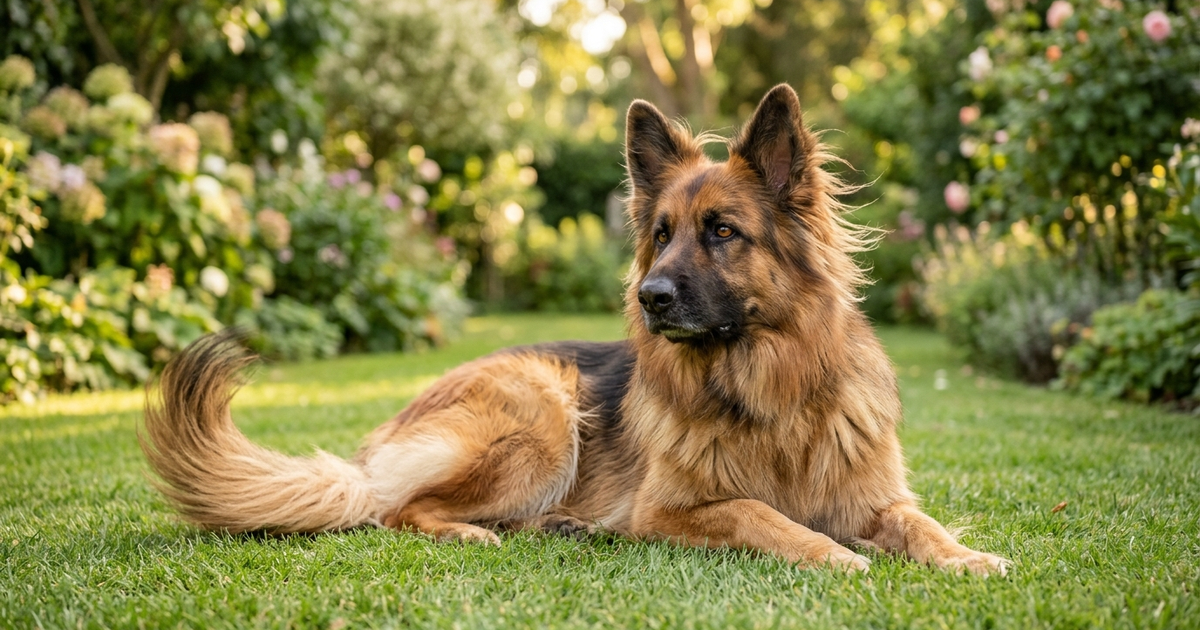
- Long stock coat (Langstockhaar): The longer-coated variety, recognized since 2010
When people say “short haired German Shepherd,” they typically mean the stock coat. But the stock coat has significant variation:
| Coat Sub-Type | Outer Hair Length | Undercoat | Notes |
|---|---|---|---|
| Plush coat | Slightly longer stock coat, fuller appearance | Dense | Common in German show lines |
| Standard stock coat | Medium, close-lying | Dense | The textbook GSD coat |
| Short stock coat | Noticeably shorter, almost slick | Dense | More common in working lines |
The short working-line coat looks and feels very different from the fuller plush coat on a West German Show Line dog — both are “short haired,” but they’re not the same coat.
The Double Coat: Why It Matters
The defining feature of the short-haired GSD’s coat isn’t the length — it’s the double-coat structure.
Outer coat (guard hairs): Dense, straight, and slightly coarse. Water-resistant. Protects the skin from debris, UV, and temperature.
Undercoat: Softer, shorter, and significantly denser. Acts as insulation — trapping warm air in cold conditions and providing a barrier against heat.
This system is remarkably effective for temperature regulation in both directions. A properly maintained double coat keeps a GSD comfortable in both summer heat and winter cold.
Critical rule: Never shave a double-coated GSD. Shaving removes both layers simultaneously. The guard coat and undercoat grow back at different rates, which can permanently disrupt the coat structure and actually worsen temperature regulation — the opposite of what people shave for.
Shedding: The Honest Reality
Short-haired German Shepherds shed constantly. There are two modes:
Baseline shedding: Year-round light to moderate shedding of undercoat fibers. This is happening all the time — on furniture, on dark clothing, in your food.
Coat blow: Twice yearly (typically spring and fall), GSDs shed their entire undercoat in a few weeks. During coat blow, the shedding volume is remarkable — owners describe pulling out handfuls during brushing, finding undercoat “bunnies” in corners of the house, and covering every surface in fine hair.
🔍 Reddit Insight: r/germanshepherd contains an entire catalog of coat blow horror stories. “I pulled enough fur off my GSD yesterday to make another dog” is a common format. New owners are repeatedly surprised: they researched shedding before getting a short-coated GSD, thought they were prepared, and still found the coat blow season shocking. The community’s advice: buy a quality vacuum before you need it, not after. The Bissell Pet Hair Eraser and Dyson Animal lines appear in recommendation threads repeatedly.
Grooming the Short-Coated GSD
Compared to the long-coated variety, the short-coated GSD is significantly more manageable — but it still requires regular maintenance:
Regular Maintenance (Year-Round)
- Brush 2–3 times per week with an undercoat rake or slicker brush
- This prevents mats from forming (yes, short-coated GSDs can still develop mats in high-friction areas)
- Nail trimming monthly
Coat Blow Season (Spring and Fall)
- Daily brushing minimum — sometimes twice daily during peak shedding
- Consider a professional de-shed treatment at a grooming salon 1–2 times yearly
- A forced-air dryer after bathing during shedding season dramatically reduces indoor hair volume
Bathing
- Monthly is sufficient for most dogs
- More frequently if the dog has been swimming, working in the field, or has rolled in something
- Use a dog-appropriate shampoo — pH 7 to 7.5
🔍 Reddit Insight: The most common grooming mistake mentioned in r/germanshepherd is bathing a GSD without properly blowing out the undercoat first. Dense undercoat traps water, keeps the skin wet, and can lead to hot spots and skin irritation if not dried thoroughly. One owner described their GSD’s undercoat still being damp 24 hours after a bath — until they started using a forced-air dryer. The difference is significant.
Short Coat vs. Long Coat: The Practical Differences
If you’re deciding between coat types, here’s what actually differs day-to-day:
| Factor | Short (Stock) Coat | Long (Stock) Coat |
|---|---|---|
| Brushing frequency | 2–3x/week | 4–5x/week |
| Mat risk | Low | Higher (feathering areas) |
| Shedding visibility | Fine hair, penetrates fabric | Longer strands, clumps easier |
| Bathing effort | Moderate | More intensive drying time |
| Weather resistance | Excellent (full undercoat) | Good (if undercoat present) |
| AKC conformation | Accepted standard | Disqualifying fault |
The short coat wins on maintenance time. The long coat wins on visual drama. Both shed significantly.
Coat Color and the Short-Coated GSD
Short-coated GSDs come in the full range of GSD colors:
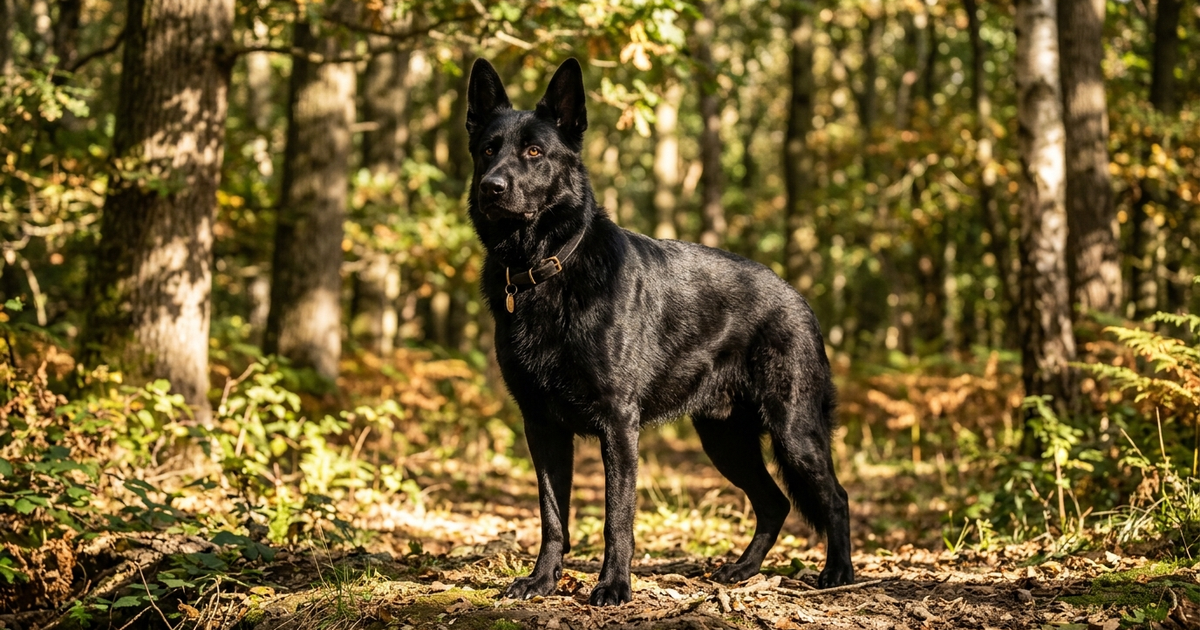
- Black and tan saddle (most common)
- Sable (most common in working lines)
- Black (recessive, rare)
- Bi-color (nearly solid black with tan on extremities)
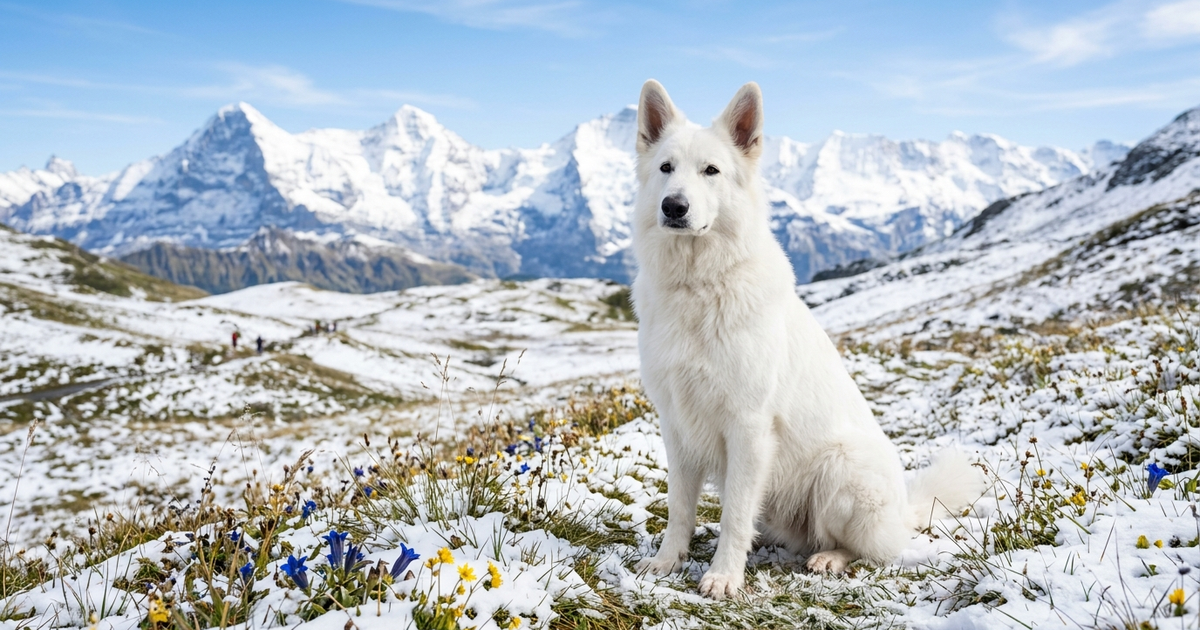
- White (AKC disqualified in conformation)
Coat color and coat length are genetically independent variables. You can have a short-coated sable or a long-coated black — the genes don’t interact.
Is the Short-Coated GSD Right for You?
Yes, if:
- You want the classic GSD look and function
- You can handle significant shedding with regular maintenance
- You need a versatile dog for work, sport, or family protection
- You’re interested in AKC conformation competition
Consider the long coat if:
- The flowing aesthetic matters significantly to you
- You’re willing to commit to more intensive grooming
- AKC conformation isn’t a priority
The honest truth for either coat: if you can’t handle dog hair being a permanent architectural feature of your home, German Shepherds — regardless of coat type — may not be the right fit.
Frequently Asked Questions
Do short-haired German Shepherds shed less than long-haired ones?
In terms of total volume, roughly the same. Short-coated GSDs shed fine undercoat fibers that penetrate fabrics and are harder to remove. Long-coated GSDs shed longer strands that are more visible but easier to pick up in clumps. The experience is different; the commitment is similar.
Can I shave my short-haired GSD in summer to keep them cool?
No — and this is one of the most common mistakes GSD owners make. The double coat insulates in both directions. Shaving disrupts this system, eliminates UV protection, and can cause permanent coat texture damage. Manage summer heat with shade, water access, and cooling mats instead.
How often should I bathe a short-haired GSD?
Monthly is typical. More frequently if active outdoors. Always dry thoroughly — a dense undercoat holds moisture and can contribute to skin irritation if not properly dried.
At what age does a GSD’s coat change from puppy to adult?
The puppy coat (softer, less dense) typically transitions to adult coat between 6 and 14 months. During this transition, shedding often increases noticeably as the adult undercoat develops.
Ready to find your perfect GSD match?
Take our 2-minute behavioral quiz. We'll match your lifestyle (and patience level) with the exact GSD bloodline and coat type you need — before you bring home a land shark.
Take the Matching Quiz →